
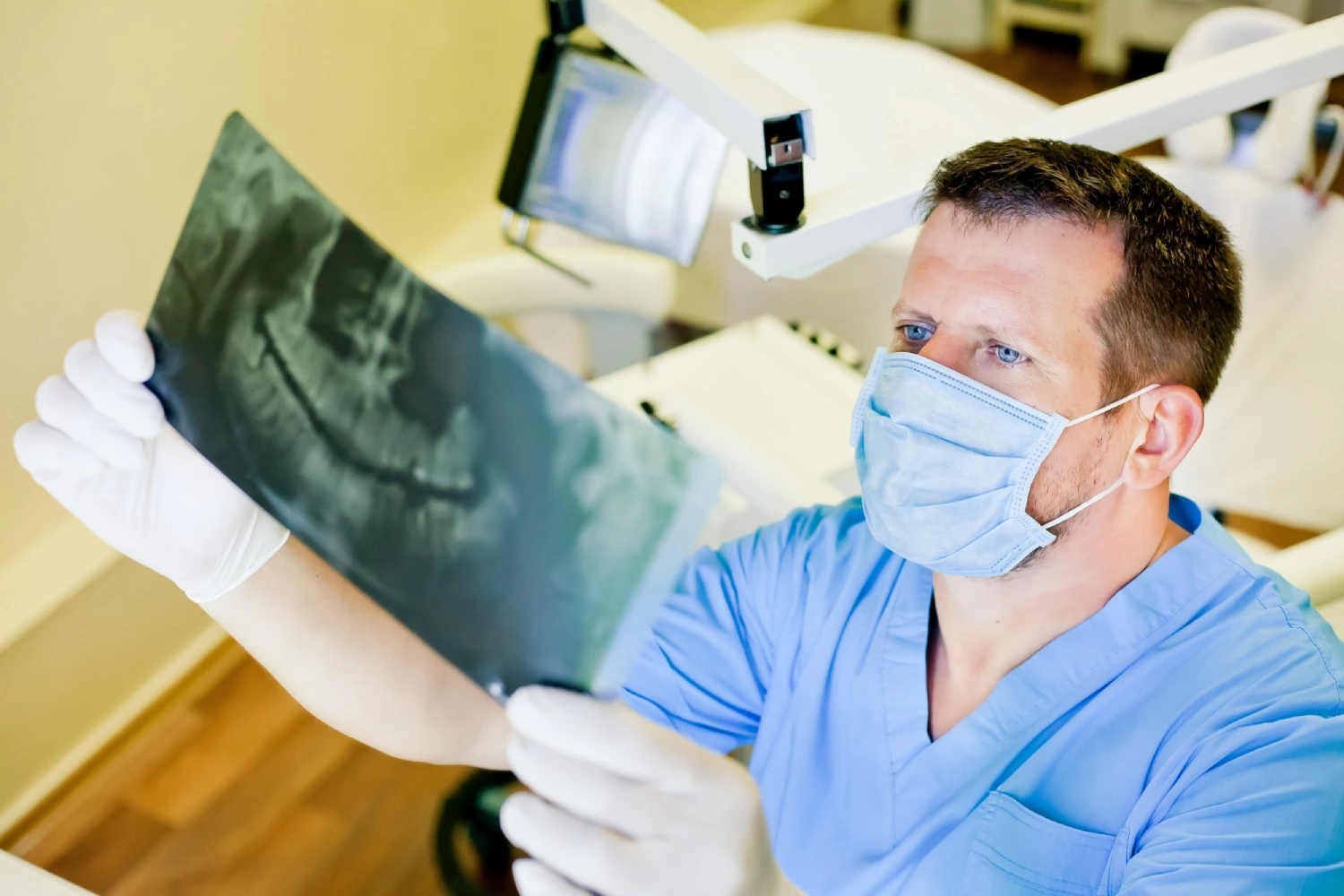
Restore Jawbone Strength and Prepare for a Healthier Smile
Bone loss in the jaw can occur due to missing teeth, gum disease, trauma, or prolonged tooth loss. At Tamiami Dental Care, we offer advanced bone grafting procedures to rebuild and strengthen the jawbone, creating a stable foundation for dental implants and long-term oral health.
Our experienced team uses proven techniques and high-quality grafting materials to help restore lost bone volume and support your future dental treatment needs.
What Is Bone Grafting?
Bone grafting is a surgical procedure that replaces or adds bone material to areas of the jaw where bone loss has occurred. The graft stimulates the body’s natural healing process, encouraging new bone growth and helping restore the strength and density of the jaw.
Bone grafting is often recommended before dental implant placement when there is not enough healthy bone available to support an implant securely.
Why Bone Grafting May Be Needed
The jawbone relies on stimulation from tooth roots to maintain its density and strength. When a tooth is lost, the bone in that area may begin to shrink over time.
Common reasons for bone grafting include:
- Tooth loss and prolonged missing teeth
- Advanced periodontal (gum) disease
- Preparation for dental implants
- Facial trauma or injury
- Congenital jaw defects
- Bone deterioration after tooth extraction
Benefits of Bone Grafting
Bone grafting offers several important benefits, including:
- Restores lost jawbone volume
- Creates a strong foundation for dental implants
- Prevents further bone deterioration
- Improves facial structure and appearance
- Enhances long-term oral health
- Increases the success rate of implant treatment
By rebuilding the jawbone, bone grafting helps preserve both the function and aesthetics of your smile.
Types of Bone Grafts
At Tamiami Dental Care, we customize treatment based on your specific needs and oral health condition.
Socket Preservation
Performed immediately after a tooth extraction, socket preservation helps prevent bone loss by placing grafting material into the extraction site.
Ridge Augmentation
This procedure rebuilds the jaw ridge when significant bone loss has occurred, improving both function and appearance.
Sinus Lift
A sinus lift adds bone to the upper jaw beneath the sinus cavity, creating adequate support for dental implants in the upper back teeth region.
Major Bone Grafting
For patients with substantial bone loss, larger grafting procedures may be recommended to restore adequate bone structure for future treatment.
What to Expect During Bone Grafting
Consultation and Evaluation
Your treatment begins with a comprehensive dental examination, including digital imaging and X-rays. We will evaluate your bone levels and determine the best grafting approach for your needs.
Procedure
The treatment area is carefully numbed to ensure comfort. The grafting material is placed into the area requiring augmentation and secured to promote proper healing and bone regeneration.
Healing Process
Over the following months, the graft integrates with your natural bone through a process called osseous regeneration. This creates a stronger, healthier foundation for future restorative procedures.
Healing times vary depending on the size and location of the graft but typically range from several weeks to several months.
Bone Grafting for Dental Implants
Dental implants require sufficient jawbone support to function properly. If bone loss has occurred, a bone graft may be necessary before implant placement.
Bone grafting helps ensure:
- Improved implant stability
- Better long-term implant success
- Enhanced chewing function
- More natural-looking results
Our team will create a personalized treatment plan to prepare your jaw for successful implant placement.
Recovery and Aftercare
Most patients experience mild discomfort, swelling, or tenderness following a bone graft procedure. These symptoms are generally temporary and can be managed with prescribed or over-the-counter medications.
To promote proper healing, patients may be advised to:
- Follow all post-operative instructions
- Avoid smoking or tobacco products
- Eat soft foods during initial recovery
- Maintain excellent oral hygiene
- Attend scheduled follow-up appointments
Our team will monitor your healing progress and ensure your recovery stays on track.
Why Choose Tamiami Dental Care?
At Tamiami Dental Care, we are committed to providing advanced restorative dental treatments with personalized care and attention. Our experienced team uses modern technology and evidence-based techniques to deliver safe, predictable, and comfortable bone grafting procedures.
We take the time to understand your goals, explain every step of treatment, and create customized solutions designed to restore your oral health and confidence.