
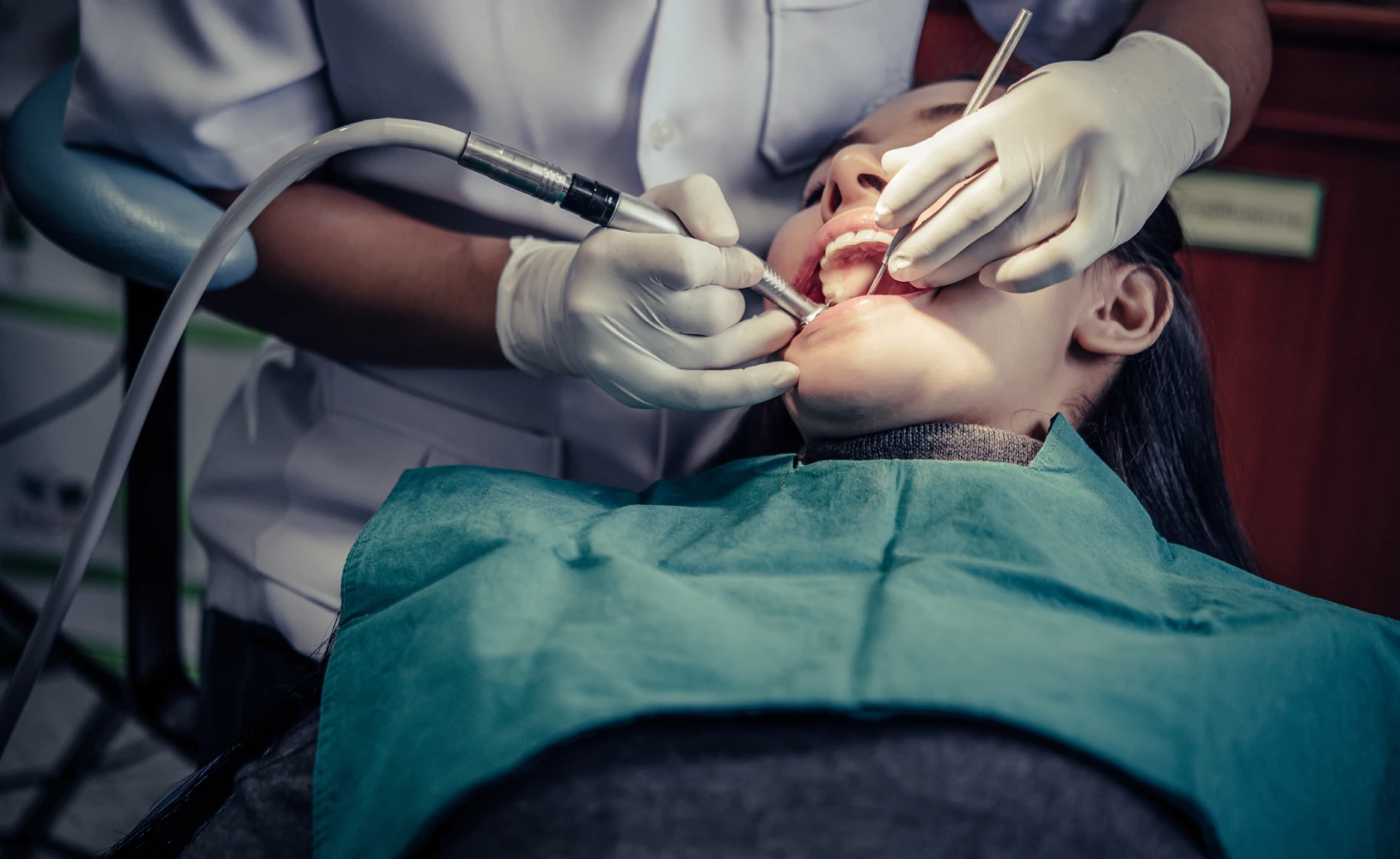
Save Your Natural Tooth and Relieve Dental Pain
Severe tooth pain, sensitivity, or infection can make everyday activities uncomfortable and affect your quality of life. At Tamiami Dental Care, we provide gentle and effective root canal therapy to eliminate infection, relieve pain, and preserve your natural tooth whenever possible.
Modern root canal treatment is a safe and highly successful procedure that can restore your oral health while helping you avoid tooth extraction.
What Is Root Canal Therapy?
Root canal therapy is a dental procedure used to treat infection or damage within the inner portion of a tooth, known as the pulp. The pulp contains nerves, blood vessels, and connective tissue that help the tooth develop.
When the pulp becomes infected or inflamed due to deep decay, cracks, trauma, or repeated dental procedures, root canal therapy can remove the infection and save the tooth from extraction.
Why Might You Need a Root Canal?
Root canal therapy may be recommended if you experience:
- Severe tooth pain
- Prolonged sensitivity to hot or cold temperatures
- Swollen or tender gums
- Tooth discoloration
- Pain when chewing or biting
- A cracked or damaged tooth
- A dental abscess or infection
Prompt treatment can prevent the infection from spreading and protect your overall oral health.
Signs of an Infected Tooth
An infected tooth may cause symptoms such as:
Persistent Toothache
Ongoing tooth pain is one of the most common signs that the inner pulp may be infected or inflamed.
Sensitivity to Hot and Cold
If sensitivity lingers after exposure to hot or cold foods and beverages, it may indicate pulp damage.
Swelling or Tenderness
Swollen gums near the affected tooth can signal an infection that requires treatment.
Tooth Discoloration
A tooth that becomes dark or discolored may have damage to the internal pulp tissue.
Dental Abscess
An abscess is a pocket of infection that can cause severe pain, swelling, and other serious complications if left untreated.
Benefits of Root Canal Therapy
Root canal treatment offers several important benefits, including:
- Relieves tooth pain and discomfort
- Eliminates infection
- Saves your natural tooth
- Restores normal chewing and biting function
- Prevents the need for extraction
- Protects surrounding teeth
- Improves long-term oral health
Preserving your natural tooth is often the healthiest and most cost-effective solution.
The Root Canal Process
Comprehensive Examination
Your treatment begins with a thorough dental examination and digital X-rays to evaluate the condition of the tooth and surrounding structures.
Local Anesthesia
The treatment area is carefully numbed to ensure a comfortable experience throughout the procedure.
Removal of Infected Tissue
The infected or damaged pulp is removed from inside the tooth. The root canals are then cleaned, disinfected, and shaped.
Filling and Sealing
The cleaned canals are filled with a biocompatible material and sealed to prevent future infection.
Restoration
In many cases, a dental crown is recommended after root canal therapy to strengthen and protect the treated tooth.
Root Canal Recovery
Most patients return to normal activities shortly after treatment.
Following your procedure, you may experience mild tenderness for a few days. This can typically be managed with over-the-counter pain medication and proper aftercare.
To support healing, we recommend:
- Avoid chewing on the treated tooth until restored
- Maintain good oral hygiene
- Attend follow-up appointments
- Follow all post-treatment instructions
Root Canal vs. Tooth Extraction
When possible, saving your natural tooth is usually the preferred option.
Benefits of Root Canal Therapy
- Preserves your natural tooth
- Maintains normal bite function
- Prevents shifting of neighboring teeth
- Typically requires less long-term treatment
When Extraction May Be Necessary
In some cases, severe damage or infection may make extraction unavoidable. If extraction is needed, we can discuss tooth replacement options such as dental implants, bridges, or dentures.
Why Choose Tamiami Dental Care?
At Tamiami Dental Care, we understand that many patients feel anxious about root canal treatment. Our experienced team uses modern techniques, advanced technology, and a gentle approach to make treatment as comfortable and stress-free as possible.
We are committed to preserving your natural teeth whenever possible and helping you achieve lasting oral health.