
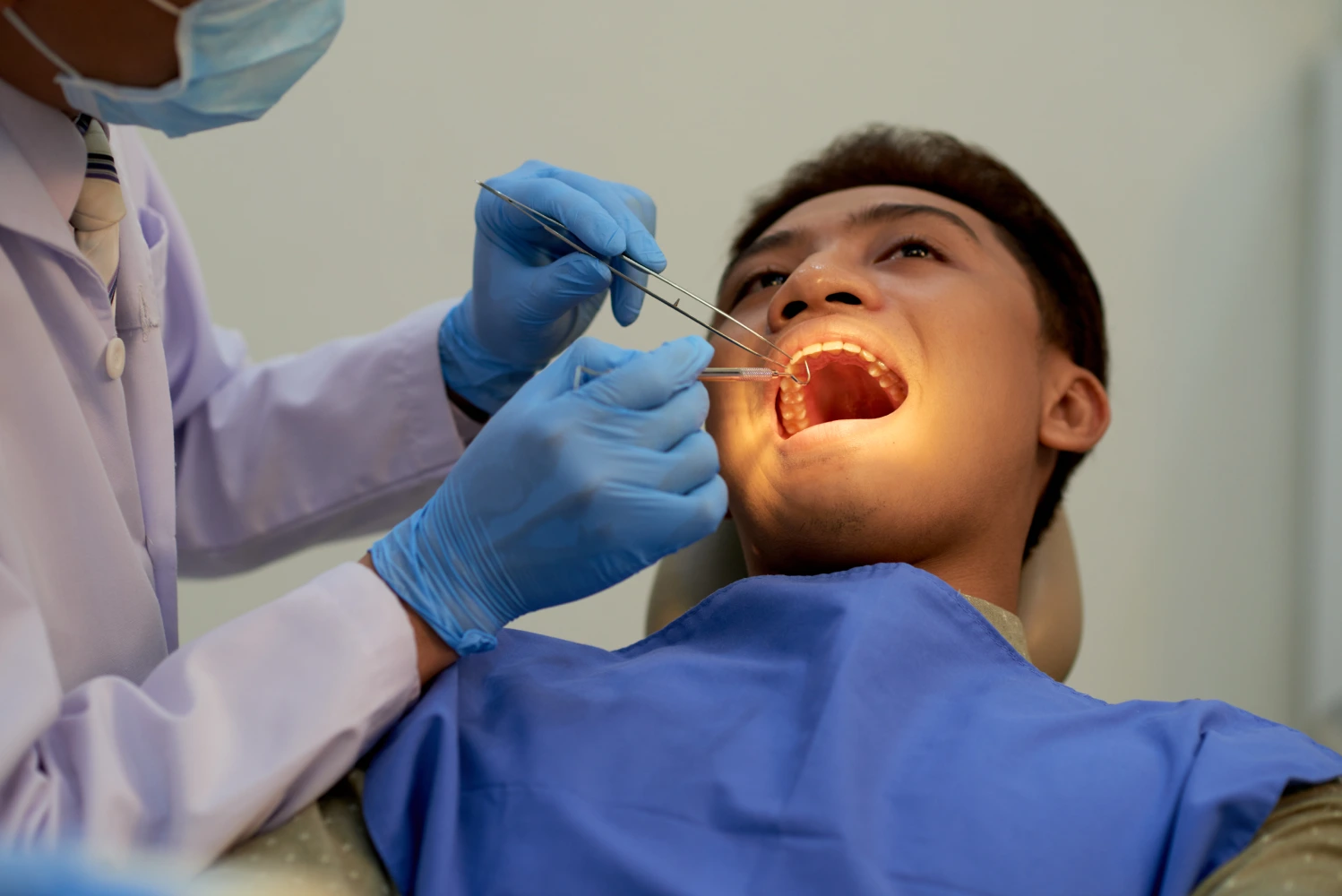
Safe and Comfortable Tooth Removal for Better Oral Health
While preserving your natural teeth is always our priority, there are situations where a tooth extraction may be the best solution for protecting your overall oral health. At Tamiami Dental Care, we provide gentle and efficient tooth extraction services in a comfortable and caring environment.
Whether you’re dealing with severe tooth decay, infection, overcrowding, or wisdom teeth complications, our experienced dental team will ensure your treatment is as comfortable and stress-free as possible.
What Is a Tooth Extraction?
A tooth extraction is a dental procedure that involves removing a tooth from its socket in the jawbone. Extractions may be recommended when a tooth is too damaged to be repaired or when removing the tooth can help prevent future oral health complications.
Our team carefully evaluates each case to determine whether extraction is truly necessary and will always explore conservative treatment options whenever possible.
Reasons You May Need a Tooth Extraction
There are several situations where a tooth extraction may be recommended, including:
- Severe tooth decay
- Advanced gum disease
- Broken or fractured teeth beyond repair
- Dental infections
- Impacted wisdom teeth
- Overcrowded teeth
- Orthodontic treatment preparation
- Trauma or injury to a tooth
- Failed root canal treatment
Removing a problematic tooth can help prevent pain, infection, and damage to surrounding teeth and tissues.
Types of Tooth Extractions
Simple Extractions
Simple extractions are performed when a tooth is visible above the gumline and can be removed using specialized dental instruments.
Surgical Extractions
Surgical extractions are required for teeth that are impacted, broken below the gumline, or difficult to access. This procedure may involve a small incision in the gum to safely remove the tooth.
Wisdom Tooth Extractions
Wisdom teeth often lack sufficient space to erupt properly and can become impacted, painful, or infected. Removing problematic wisdom teeth can help prevent future complications.
Signs You May Need a Tooth Extraction
You may require a tooth extraction if you experience:
- Severe tooth pain
- Persistent infection
- Significant tooth damage
- Loose teeth caused by gum disease
- Swelling around a tooth
- Difficulty chewing
- Impacted wisdom teeth
- Overcrowding affecting orthodontic treatment
A comprehensive dental examination will help determine the most appropriate treatment for your condition.
What to Expect During the Extraction Process
Comprehensive Evaluation
Your appointment begins with a detailed examination and digital X-rays to assess the condition of the tooth and surrounding structures.
Comfortable Anesthesia
Local anesthesia is administered to numb the treatment area and ensure a comfortable experience. Additional sedation options may be available depending on your needs.
Tooth Removal
Using specialized techniques and instruments, your dentist will carefully remove the tooth while minimizing trauma to surrounding tissues.
Post-Extraction Care
After the procedure, we will provide detailed aftercare instructions to promote proper healing and reduce the risk of complications.
Tooth Replacement Options After Extraction
In many cases, replacing an extracted tooth is important for maintaining oral health and preventing shifting teeth or bone loss.
Depending on your needs, replacement options may include:
- Dental Implants
- Dental Bridges
- Partial Dentures
- Full Dentures
Our team will discuss the best restorative solution to help maintain your smile and oral function.
Recovery After a Tooth Extraction
Most patients recover within a few days following a simple extraction.
To promote healing, we recommend:
- Biting gently on gauze as directed
- Avoiding smoking and tobacco products
- Eating soft foods during recovery
- Avoiding strenuous activities for the first 24 hours
- Following all post-operative instructions
- Keeping the extraction site clean
Proper aftercare significantly reduces the risk of complications such as dry socket.
Why Choose Tamiami Dental Care?
At Tamiami Dental Care, we understand that many patients feel anxious about tooth extractions. Our compassionate team is committed to providing gentle care, clear communication, and personalized treatment throughout every step of the process.
Using modern technology and advanced techniques, we strive to make extractions as comfortable and efficient as possible while prioritizing your long-term oral health.